Introduction:
Restoring a classic car isn’t just about fixing dents and applying a fresh coat of paint. It’s a meticulous process that requires passion, expertise, and a deep respect for automotive history. In this blog, we’ll take a journey through the transformation process of a classic car restoration, from the initial assessment of a rusty relic to the breathtaking moment it gleams under showroom lights.
- Assessing the Relic:
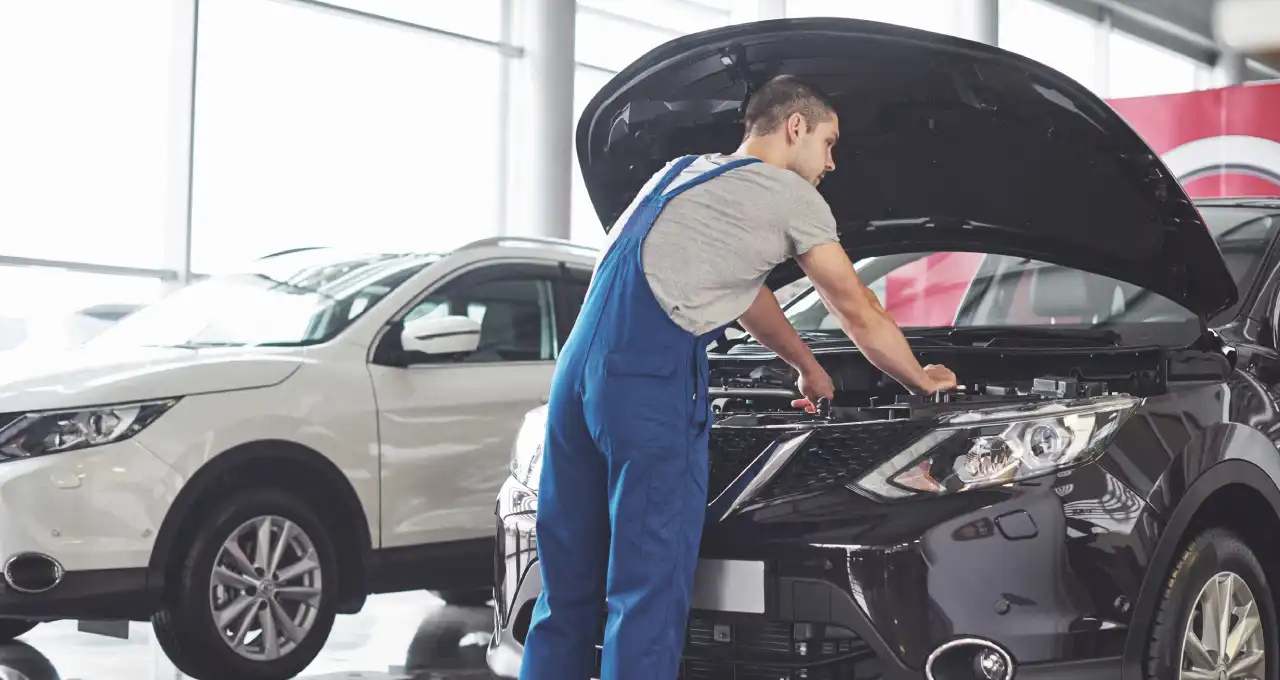
Every restoration project begins with a careful assessment of the car’s condition.Often, classic cars arrive at the restoration shop covered in rust, with interiors that have seen better days. Skilled technicians meticulously inspect every inch, noting structural damage, mechanical issues, and the extent of corrosion. This initial evaluation sets the stage for the restoration plan.
- Stripping Down to Basics:
Once the assessment is complete, the real work begins. The car is stripped down to its bare essentials, with every part cataloged and labeled. This process not only exposes hidden damage but also allows for a thorough cleaning of components that will be reused in the restoration.
- Bodywork and Structural Repairs:
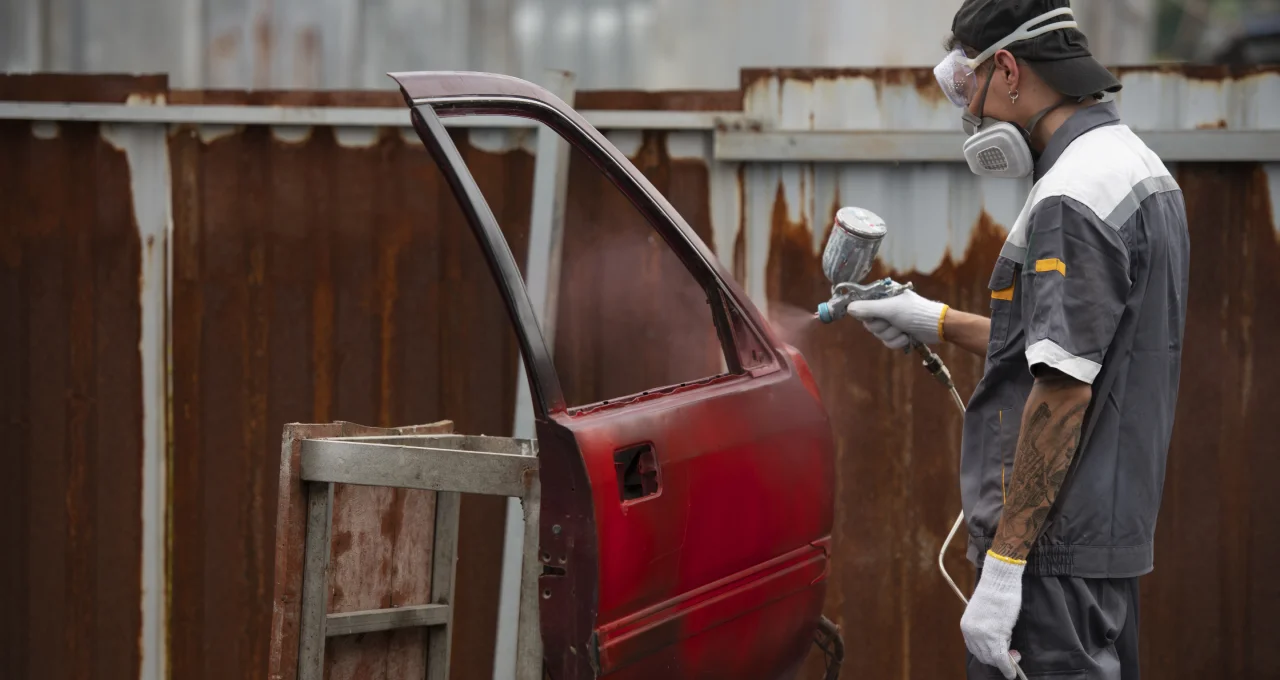
Repairing rust and damage to the car’s body is often one of the most time-consuming aspects of the restoration process. Skilled metalworkers painstakingly reshape panels, repair rusted areas, and replace sections that are beyond repair. Structural integrity is paramount, so any compromised frame or chassis components are reinforced or replaced.
- Engine and Mechanical Overhaul:
While the bodywork is underway, attention turns to the heart of the car: the engine and mechanical systems. Experienced mechanics disassemble, clean, and rebuild the engine, replacing worn-out parts with high-quality components. Suspension, brakes, and steering components are also inspected and refurbished to ensure optimal performance and safety.
No classic car restoration is complete without a meticulous interior refurbishment. From upholstery and carpeting to dashboard components and trim pieces, every detail is carefully restored to its original glory. Skilled craftsmen recreate period-correct interiors, paying close attention to authenticity and quality.
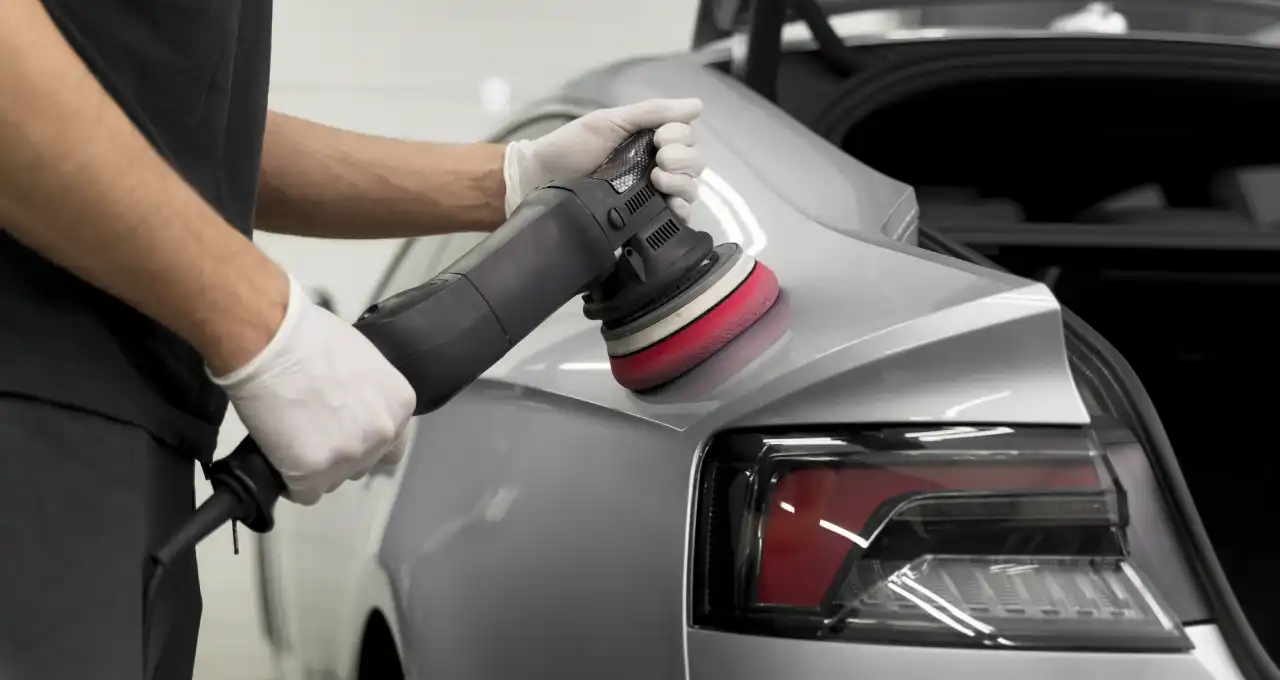
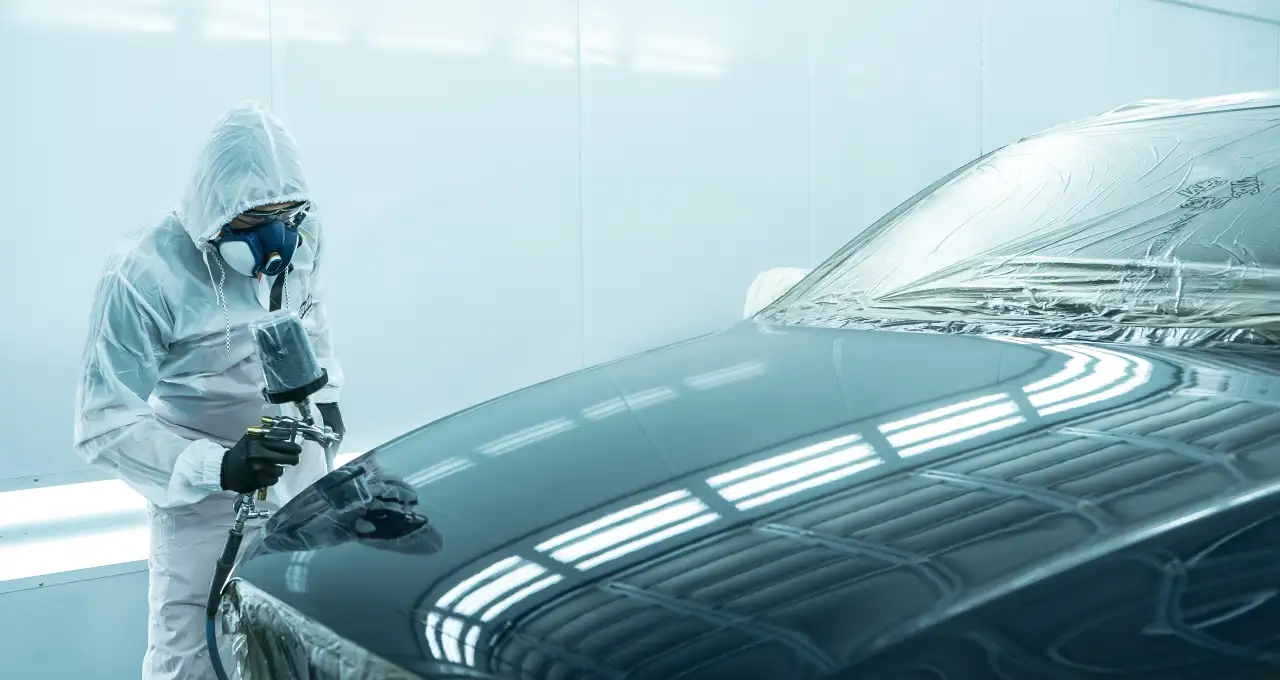
With the mechanical and interior components restored, the car is ready for its final transformation. Expert painters meticulously prepare the bodywork, applying multiple coats of paint to achieve a flawless finish. Attention to detail is key, with careful color matching and precise application techniques ensuring a showroom-worthy result. Finally, badges, trim pieces, and other finishing touches are added to complete the look.
- Reassembly and Testing:
As the restoration nears completion, the car is carefully reassembled, with every component installed with precision. Before it’s deemed roadworthy, the car undergoes rigorous testing to ensure that all systems are functioning correctly. From engine performance to electrical functions, every aspect of the car is thoroughly checked to guarantee reliability and safety.
Conclusion:
The transformation process of a classic car restoration is a labor of love, requiring skill, patience, and attention to detail. From rescuing a rusty relic to unveiling a showroom-worthy masterpiece, the journey is as rewarding as the destination. With each restored classic car, a piece of automotive history is preserved for future generations to admire and enjoy.