Windshield and glass polishing is a crucial aspect of vehicle maintenance that is often overlooked. A clean, polished windshield can greatly enhance visibility, safety, and overall driving experience. Not only does polishing remove surface imperfections like scratches and water spots, but it also adds to the longevity of your car’s glass. Whether you’re a car enthusiast looking to keep your ride in pristine condition or simply trying to improve visibility, this guide will help you understand the process, the benefits, and the techniques involved in windshield and glass polishing.
Why Windshield & Glass Polishing Matters
Over time, the glass surfaces of your vehicle can accumulate scratches, water spots, mineral deposits, and other imperfections. These blemishes not only affect the aesthetic appeal but can also obstruct visibility, especially when driving at night or during rain. A polished windshield offers:
- Improved visibility: Clear glass allows you to see the road better, which is especially crucial during adverse weather conditions.
- Enhanced safety: Chips, scratches, and scuffs can weaken the structural integrity of the windshield, leading to potential hazards.
- Aesthetic appeal: A sparkling clean windshield enhances the look of your car, giving it a showroom-like finish.
- Longevity: Regular polishing extends the life of your windshield and windows, potentially saving you from costly replacements.
Common Issues with Windshield and Car Glass
Before diving into how to polish your car glass, let’s identify some common issues:
- Scratches: These can be caused by wipers, road debris, or improper cleaning tools.
- Water spots: Hard water deposits that leave mineral stains on the surface.
- Etching from acid rain: Acidic water droplets can cause minor surface etching over time.
- Oxidation: Environmental exposure can lead to cloudiness or a hazy appearance on the glass.
- Minor chips: Though more serious chips require professional repair, small chips can be minimized through polishing.
What You Need for Windshield & Glass Polishing
- Glass Polish: A specially formulated glass polish designed to remove minor scratches and water spots.
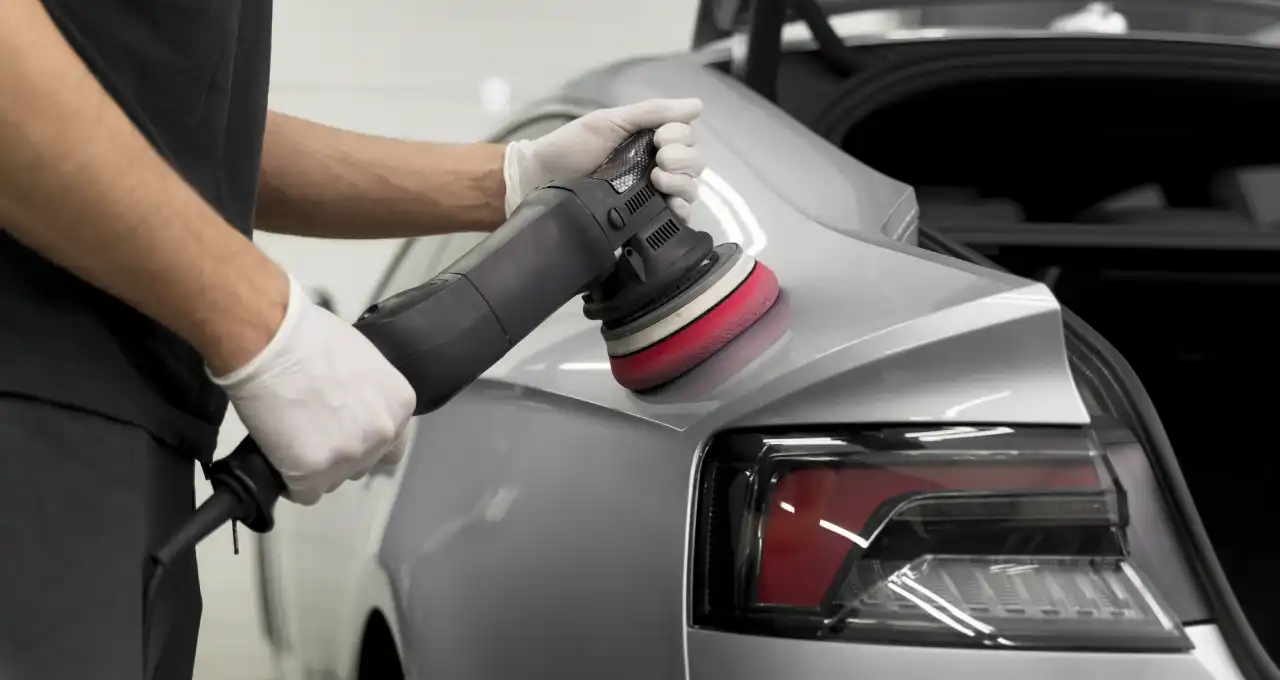
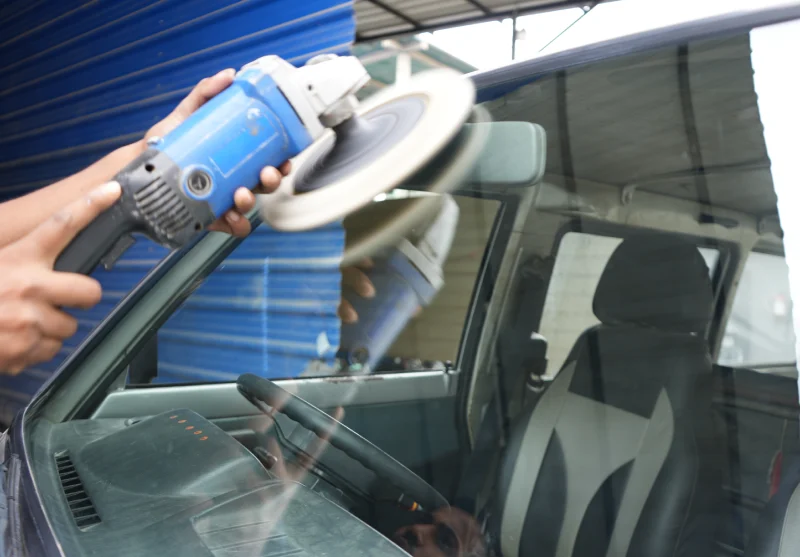
- Dual-Action Polisher (or Hand Polishing Kit): For effective results, a powered polisher is ideal. However, hand polishing kits can work for minor imperfections.
- Microfiber Towels: To buff and clean the glass without scratching it.
- Polishing Pads: Soft foam pads designed for polishing glass surfaces.
- Glass Cleaner: To clean the surface before and after polishing.
- Masking Tape: To protect surrounding areas, such as rubber seals, from the polish.
Step-by-Step Guide to Polishing Your Windshield and Glass
- Preparation
- Clean the Surface: Use a high-quality glass cleaner to remove dirt, dust, and grease from the windshield. A clean surface ensures that you aren’t rubbing debris into the glass during polishing, which could lead to more scratches.
- Protect Surrounding Areas: Apply masking tape to the edges of the windshield to protect the rubber seals and any nearby painted surfaces.
- Apply the Polish
- If you’re using a hand polishing kit, pour a small amount of glass polish onto the applicator pad and apply it to the windshield in a circular motion. Focus on areas with visible imperfections.
- For a dual-action polisher, attach a glass polishing pad, apply the polish, and begin working in sections. Start with a low speed and gradually increase the speed for more stubborn spots.
- Polishing the Glass
- Move the polisher in a cross-hatch pattern (horizontal and vertical movements) to ensure even coverage.
- Pay extra attention to areas with scratches or heavy water spots. You may need to go over these sections multiple times.
- Avoid pressing too hard, as this can damage the glass.
- Buffing
- Once you’ve polished the entire windshield, take a clean microfiber towel and buff the surface. This will remove excess polish and reveal a crystal-clear finish.
- Clean Again
- Use your glass cleaner one more time to remove any leftover polish residue and achieve a streak-free shine.
When to Seek Professional Help
While DIY polishing can handle minor scratches, water spots, and light etching, there are instances where professional help is required:
- Deep scratches or chips: If the scratch is deep enough to catch your fingernail, it’s likely beyond polishing. A professional might be able to repair it, or the glass may need replacement.
- Cracks: Cracks weaken the integrity of the windshield and cannot be fixed with polishing. Seek a professional repair or replacement.
Tips for Maintaining Polished Windshields & Glass
- Use quality wiper blades: Old or damaged wiper blades can scratch the windshield. Replace them regularly.
- Avoid harsh cleaners: Use a pH-neutral glass cleaner to avoid damaging the glass.
- Regular polishing: Routine polishing every few months can prevent the buildup of mineral deposits and other imperfections.
- Park in shaded areas: Prolonged exposure to the sun can lead to oxidation and cloudiness.
Conclusion
Windshield and glass polishing is a simple yet highly effective way to maintain the appearance and functionality of your vehicle. Regular care not only improves your driving experience but also extends the life of your windshield and windows. By following the steps outlined in this guide, you can enjoy crystal-clear glass, better visibility, and enhanced safety. Whether you’re handling the job yourself or seeking professional help for more severe issues, keeping your car’s glass polished is always worth the effort.
By maintaining your windshield and windows with regular polishing, you’ll ensure safer, clearer, and more enjoyable driving experiences, no matter the road conditions. So grab your polishing kit and get to work—you won’t regret the results!