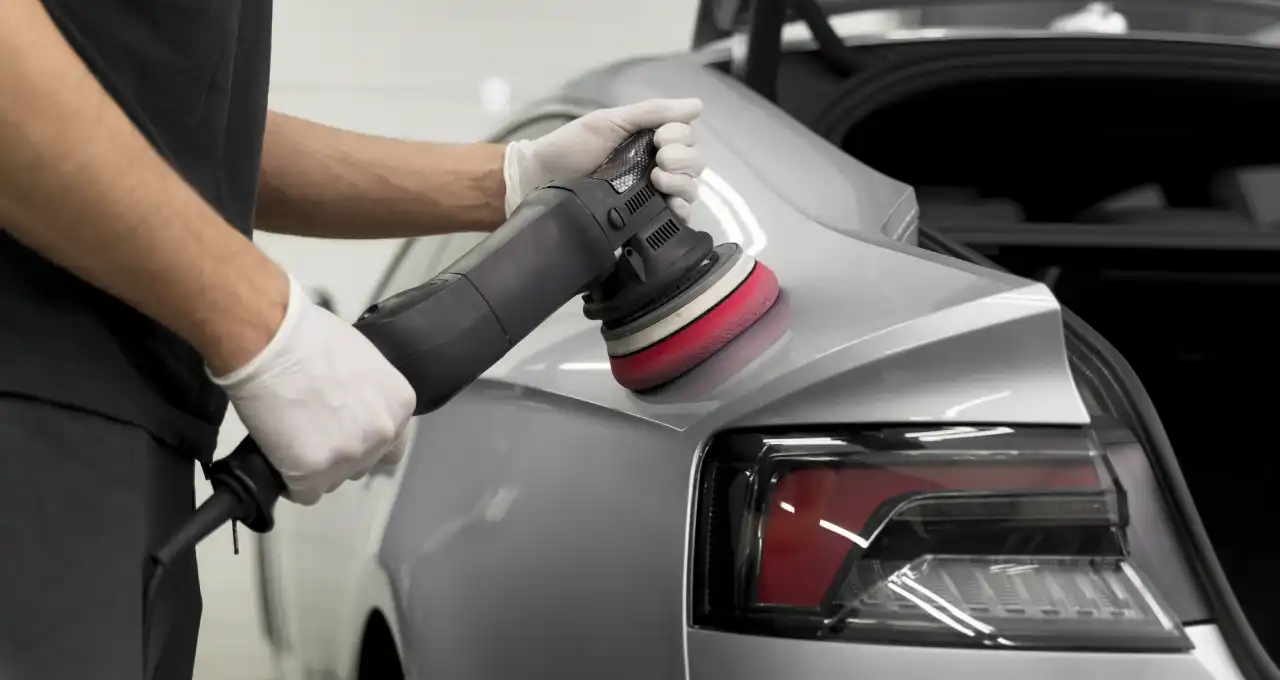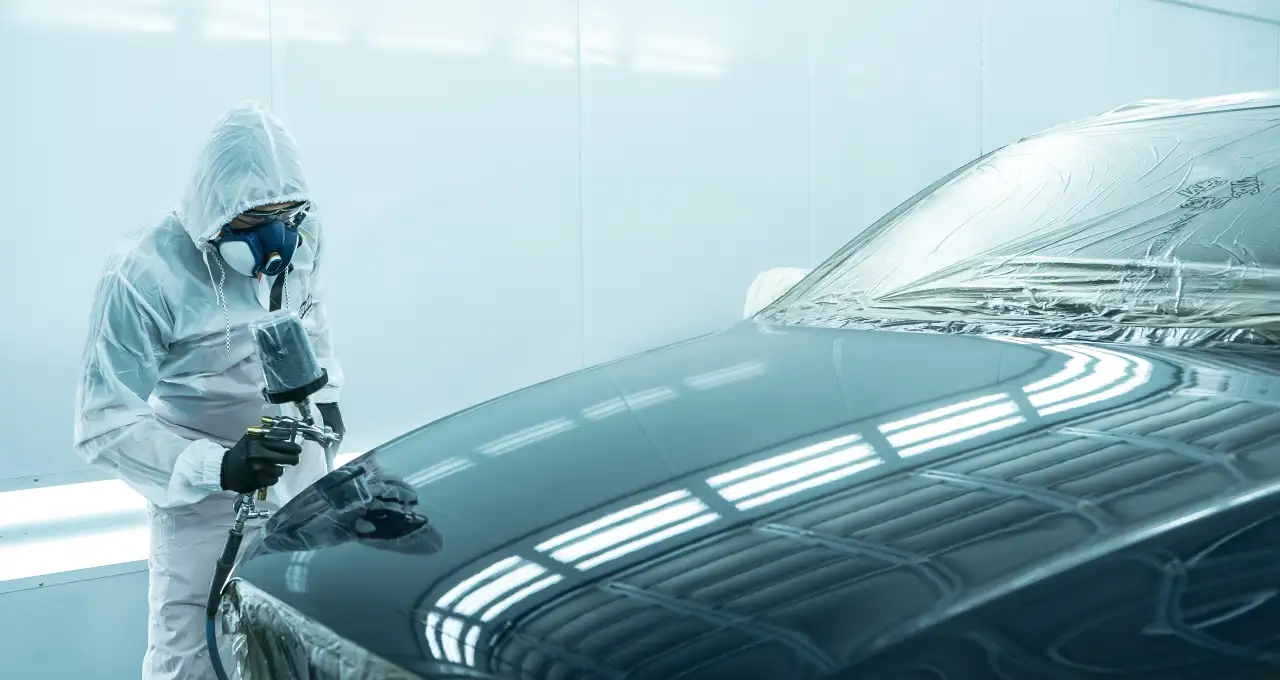

When it comes to maintaining a car’s pristine appearance and long-term protection, ceramic and graphene coatings have taken the automotive world by storm. These advanced technologies are game-changers, offering unparalleled protection, shine, and durability. But how do they compare, and which one should you choose for your car? Let’s dive into the details of both ceramic and graphene coatings to help you make an informed decision.
What is Ceramic Coating?
Ceramic coating is a liquid polymer that is applied to a car’s exterior surfaces. It chemically bonds with the factory paint, creating a protective layer that shields the car from environmental contaminants and minor scratches. This coating enhances the vehicle’s gloss and provides a semi-permanent shield that can last years with proper maintenance.
Benefits of Ceramic Coating:
- Enhanced Gloss: One of the most noticeable features of ceramic coating is the deep, glossy shine it adds to the paint, making the car look showroom fresh.
- Hydrophobic Properties: Ceramic coatings are known for their excellent water-repellent abilities, making the car easier to clean. Water and dirt slide right off the surface.
- UV Protection: Prolonged exposure to sunlight can cause paint to fade over time. Ceramic coating acts as a barrier against harmful UV rays, preserving the color and vibrancy of your car’s paint.
- Scratch and Chemical Resistance: While not scratch-proof, ceramic coating offers protection from minor scratches, bird droppings, and harsh chemicals.
- Durability: A well-applied ceramic coating can last up to 2-5 years, depending on maintenance and driving conditions.
What is Graphene Coating?
Graphene coatings are the next evolution in the world of automotive protection. Graphene is a carbon-based nanomaterial known for its incredible strength and conductivity. When used in coatings, it offers enhanced protection and durability, taking automotive care to the next level.
Benefits of Graphene Coating:
- Superb Durability: Graphene is known to be incredibly strong, even stronger than ceramic coatings. This added durability means graphene coatings can last up to 5-7 years with proper care.
- Superior Hydrophobic Properties: While ceramic coatings are hydrophobic, graphene coatings are even better at repelling water, making it almost impossible for water or dirt to stick to the surface.
- Anti-Corrosion and Anti-Oxidation: Graphene is highly resistant to chemicals, including road salts, acids, and other harmful agents, which helps in preventing corrosion and oxidation of the car’s paint.
- Reduced Water Spotting: One of the drawbacks of ceramic coatings is their tendency to develop water spots if not properly dried. Graphene’s heat conductivity reduces the chances of water spotting, as it helps the surface dry faster and more evenly.
- Flexibility and Scratch Resistance: Graphene is more flexible than ceramic, which allows it to better withstand minor impacts without cracking or chipping, offering superior protection against scratches.
Ceramic vs. Graphene Coating: Key Differences
Now that we know the benefits of both coatings, let’s break down the key differences between them:
| Feature | Ceramic Coating | Graphene Coating |
| Durability | Lasts 2-5 years | Can last up to 5-7 years |
| Hydrophobicity | Excellent water-repellent properties | Superior water repellence, less spotting |
| Scratch Resistance | Good, but can still scratch | Higher resistance to minor scratches |
| UV Protection | Protects against UV rays | Equivalent, if not slightly better |
| Application | Easier to apply | Application may require more expertise |
| Cost | Less expensive | Generally more expensive due to newer tech |
Which One Should You Choose?
The decision between ceramic and graphene coatings ultimately depends on your specific needs and budget. Here are some things to consider:
- Budget: If you are looking for a cost-effective solution that still provides excellent protection and shine, ceramic coating is a great option. It offers a good balance of durability and affordability.
- Long-Term Durability: If you want the best long-term protection and don’t mind paying a premium, graphene coating is the way to go. It lasts longer, offers better hydrophobic properties, and provides superior resistance to scratches and chemicals.
- Ease of Application: Ceramic coatings are generally easier to apply and can even be done by skilled DIYers. Graphene coatings, being newer and more complex, may require professional application to ensure optimal performance.
- Water Spotting Issues: If you live in an area with hard water or deal with water spots frequently, graphene coating’s better water spot resistance could be a significant advantage.
Maintenance Tips for Both Coatings
Regardless of whether you choose ceramic or graphene coating, maintenance is key to ensuring they last as long as possible:
- Regular Washing: Use a pH-neutral car shampoo to avoid stripping away the coating.
- Avoid Harsh Chemicals: Stick to products specifically designed for coated cars to prevent degradation.
- Use a Microfiber Cloth: For drying and washing, always use microfiber towels to avoid scratches.
- Inspect the Coating Regularly: Look for signs of wear, such as reduced water beading or minor scratches, and consider reapplying if necessary.
Conclusion
Both ceramic and graphene coatings offer fantastic protection for your vehicle, with graphene representing the latest advancement in coating technology. Ceramic coating is a tried-and-tested option, while graphene coatings take things a step further with enhanced durability and protection. Whichever coating you choose, your car will benefit from improved aesthetics, easier maintenance, and long-lasting protection from the elements.