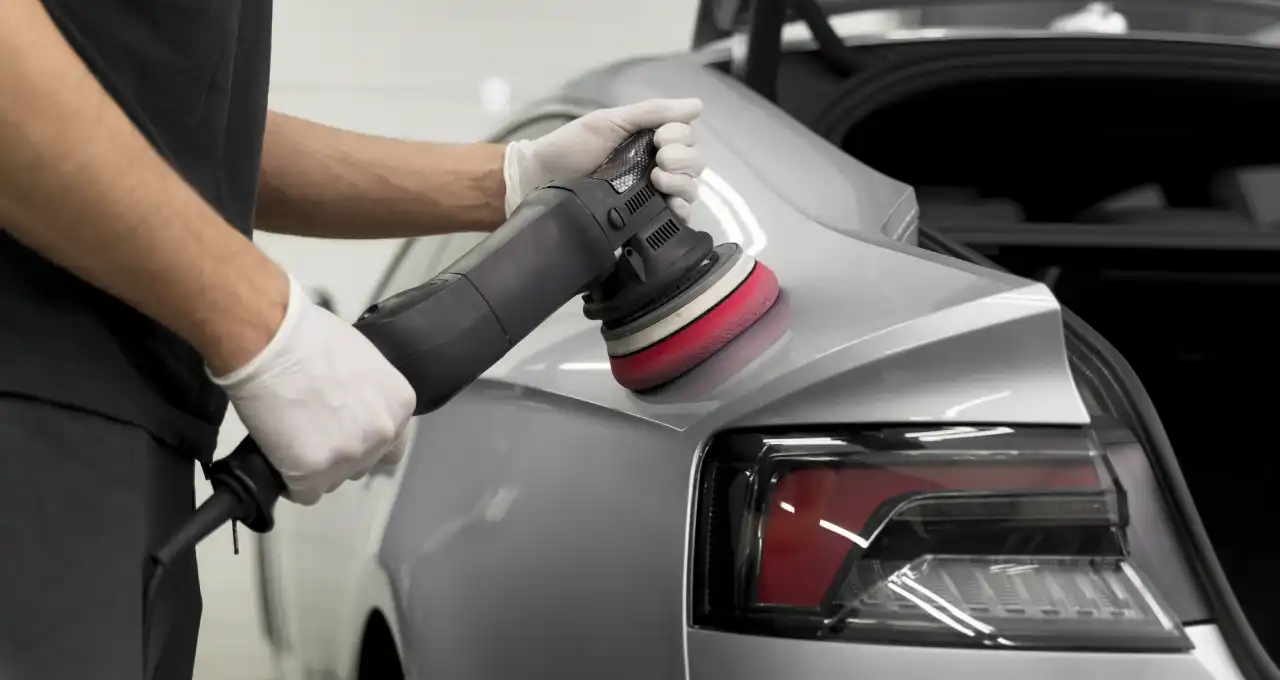
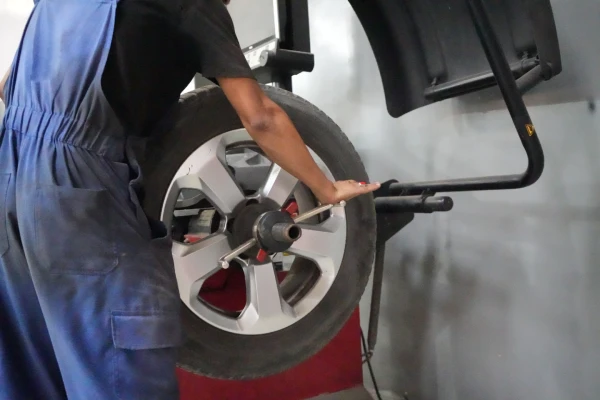
Maintaining your vehicle is essential for its performance, safety, and longevity. Two of the most important components that need periodic attention are your car’s battery and tyres. Both of these parts are critical to your vehicle’s operation, and neglecting them can lead to serious issues, from breakdowns to compromised safety. In this blog, we’ll discuss when and how to replace your car battery and tyres, ensuring your vehicle runs smoothly and safely. It is an important aspect of your regular car maintenance and repair
- Battery Replacement: Keeping Your Vehicle Powered
Your vehicle’s battery is responsible for powering the electrical components and starting the engine. Over time, however, all batteries degrade, and replacing them becomes necessary.
Signs Your Battery Needs Replacement:
- Slow Engine Crank: If your engine is slow to start, especially on cold mornings, it might be time to consider a new battery.
- Dashboard Warning Light: Most modern cars will display a battery warning light when the battery charge is low or there’s an issue with the charging system.
- Electrical Issues: If your headlights are dimming or other electrical features (radio, power windows) are functioning poorly, the battery could be struggling.
- Corrosion on Battery Terminals: This can affect the battery’s performance and indicates wear.
- Battery Age: Most car batteries last between 3-5 years. If yours is older, it’s worth having it tested, even if no symptoms are evident.
How to Replace a Car Battery:
Replacing a car battery is a relatively straightforward task, but it does require some basic knowledge.
- Check the Battery Specifications: Before purchasing a new battery, check your vehicle’s manual to find out the correct battery size and specifications.
- Safety First: Make sure the engine is turned off, and you’re wearing protective gloves and glasses.
- Disconnect the Old Battery: Start by disconnecting the negative terminal (black), followed by the positive terminal (red).
- Remove the Old Battery: Some cars have a bracket holding the battery in place, which you’ll need to remove. Then lift the old battery out.
- Install the New Battery: Place the new battery in the compartment and reconnect the positive terminal first, followed by the negative terminal. Make sure the terminals are clean and free from corrosion.
- Test: Start the car to ensure the battery is working properly.
Tips for Maintaining Your Car Battery:
- Drive Regularly: Short, infrequent trips can prevent the battery from fully charging.
- Keep it Clean: Periodically clean the battery terminals to avoid corrosion buildup.
- Turn Off Electricals: Ensure lights and electronics are off when the engine is not running to avoid unnecessary battery drain.
- Tyre Replacement: Ensuring Grip and Safety on the Road
Tyres are the only point of contact between your vehicle and the road, making them crucial for safe driving. Worn or damaged tyres can lead to poor handling, reduced fuel efficiency, and even blowouts.
Signs Your Tyres Need Replacement:
- Tread Wear: A tyre’s tread is essential for grip, especially in wet conditions. You can use the “penny test” — place a penny in the tread groove. If you can see the top of Lincoln’s head, the tread is too worn and it’s time to replace the tyre.
- Bulges or Cracks: Any visible damage, such as bulging sidewalls or cracks in the rubber, indicates that the tyre is compromised and should be replaced immediately.
- Vibration While Driving: If you notice excessive vibration, it could be a sign of tyre damage or uneven wear.
- Uneven Wear: If one part of the tyre is more worn than another, it could indicate a wheel alignment issue, which should be addressed before replacing the tyres.
- Age: Even if the tyres appear to have enough tread, most manufacturers recommend replacing them every 6-10 years, as the rubber degrades over time.
How to Replace Your Tyres:
- Choose the Right Tyres: Refer to your vehicle’s manual for the recommended tyre size and type. You can also consult a tyre professional to ensure you get the best fit for your driving needs.
- Loosen the Lug Nuts: Before lifting the vehicle, use a wrench to loosen the lug nuts slightly.
- Jack Up the Car: Use a car jack to lift the vehicle off the ground. Make sure the car is stable before proceeding.
- Remove the Old Tyre: Take off the loosened lug nuts and remove the tyre.
- Install the New Tyre: Place the new tyre on the wheel hub and hand-tighten the lug nuts.
- Lower the Car: Carefully lower the vehicle back to the ground and fully tighten the lug nuts in a star pattern to ensure even tightening.
Tips for Maintaining Your Tyres:
- Check Tyre Pressure Regularly: Under- or over-inflated tyres can wear unevenly and impact fuel efficiency.
- Rotate Tyres: Rotating your tyres every 6,000-8,000 miles helps distribute wear evenly.
- Alignment and Balancing: Ensure your wheels are aligned and balanced to prevent uneven tyre wear and vibrations.
Conclusion: Regular Car Maintenance is Key
Both your car’s battery and tyres play critical roles in ensuring safety, performance, and reliability. Regularly inspecting these components and replacing them when necessary will keep your vehicle running smoothly and help you avoid costly repairs down the road. Always consult a professional mechanic if you’re unsure about the state of your car’s battery or tyres, and never hesitate to replace them when needed. A well-maintained vehicle is a safe vehicle!