Introduction:
In the realm of car restoration, achieving a flawless paint job is akin to an artist’s masterpiece. It’s not just about aesthetics; it’s about preserving the car’s beauty while protecting it from the elements. However, the process of painting a car goes far beyond simply applying a coat of color. In this blog, we’ll delve into the science behind surface preparation and explore the various painting techniques used in car restoration.
- Surface Preparation:
Before a single drop of paint is applied, meticulous surface preparation is essential. This involves removing any existing paint, rust, and imperfections from the car’s surface. Techniques such as sanding, media blasting, and chemical stripping are employed to ensure a clean, smooth canvas for the paint to adhere to. Surface preparation is not only crucial for achieving a flawless finish but also for ensuring the longevity of the paint job.
- Priming:
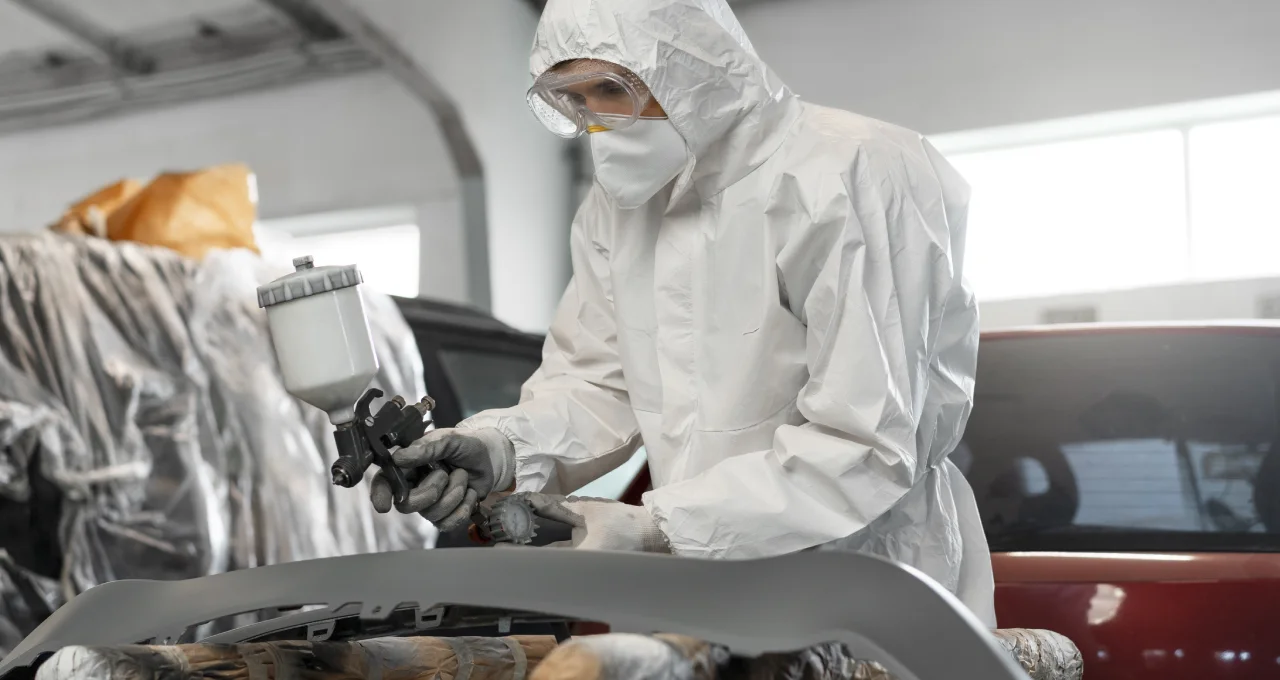
Once the surface is properly prepared, the next step is applying a primer coat. Primer serves as a bonding agent between the bare metal or body filler and the paint layers, providing adhesion and corrosion resistance. Different types of primers, such as etching primers and high-build primers, are used depending on the specific needs of the restoration project. Proper priming is essential for achieving optimal paint adhesion and durability.
- Basecoat/Clearcoat:
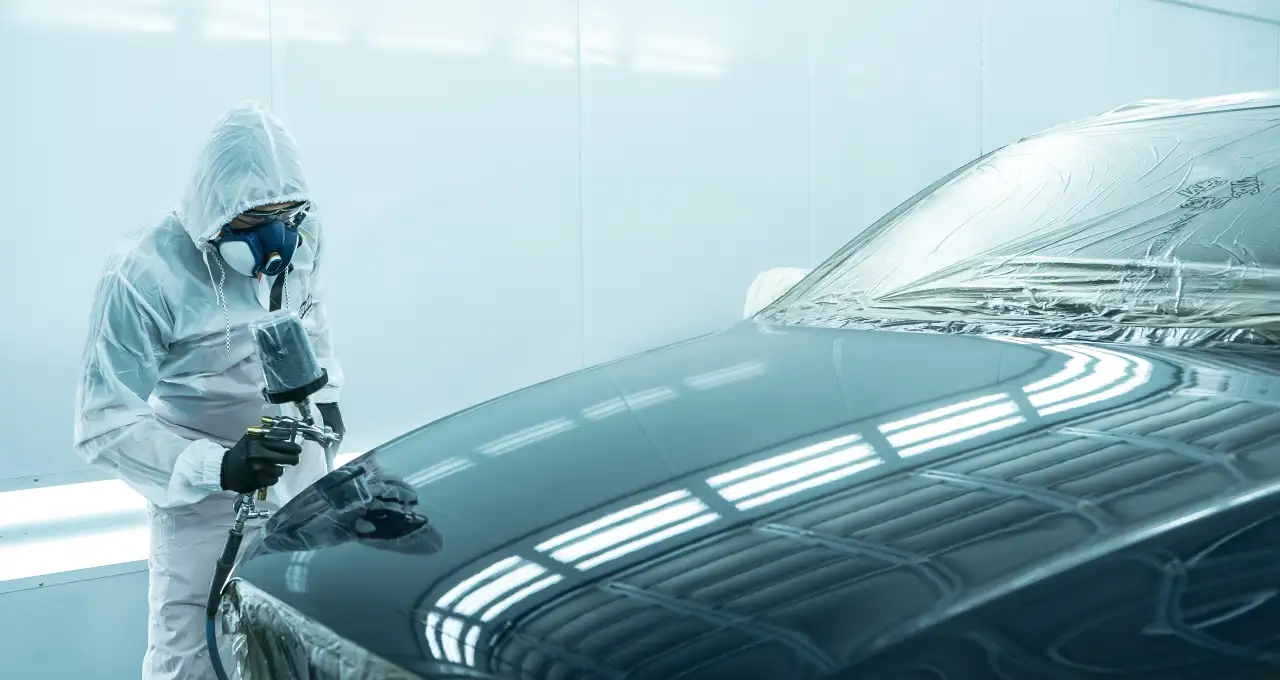
One of the most common painting techniques used in car restoration is the basecoat/clearcoat system. This involves applying a basecoat color followed by a clearcoat finish. The basecoat provides the color and depth, while the clearcoat adds gloss and protection. This technique allows for greater flexibility in color options and provides a durable, high-gloss finish that is resistant to fading and environmental damage.
- Single Stage Paint:
Another painting technique used in car restoration is the single-stage paint system. Unlike the basecoat/clearcoat system, single-stage paint combines the color and clearcoat into one layer. While this technique is simpler and more cost-effective, it may not provide the same level of depth and gloss as a clearcoat finish. However, single-stage paint is still a popular choice for certain restoration projects, particularly those aiming for a vintage or classic look.
- Custom Finishes:
For car enthusiasts looking to make a statement, custom paint finishes offer endless possibilities. From metallic flake and pearl finishes to matte and satin effects, custom paints allow for creativity and personalization. These finishes can be achieved through techniques such as airbrushing, stenciling, and masking, giving each restoration project a unique and distinctive appearance.
- Wet Sanding and Buffing:
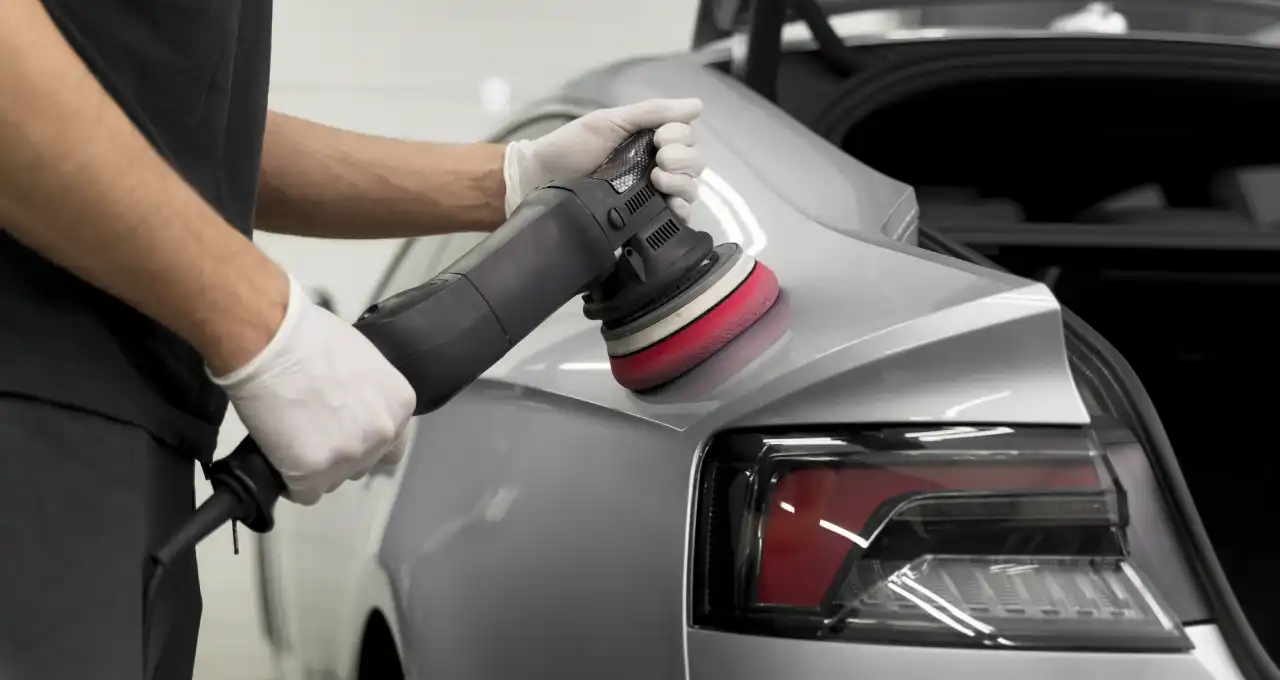
Once the paint has been applied, the final step in the painting process is wet sanding and buffing. This involves sanding the painted surface with fine grit sandpaper to remove imperfections and orange peel, followed by buffing with polishing compounds to restore gloss and clarity. Wet sanding and buffing are essential for achieving a smooth, mirror-like finish and bringing out the full beauty of the paint job.
Conclusion:
The science of surface preparation and painting techniques plays a critical role in car restoration, transforming tired and worn-out vehicles into works of art. Whether opting for a classic basecoat/clearcoat finish or experimenting with custom paint effects, each restoration project presents an opportunity to showcase craftsmanship and creativity. By understanding the principles behind surface preparation and painting techniques, car enthusiasts can achieve stunning results that stand the test of time.